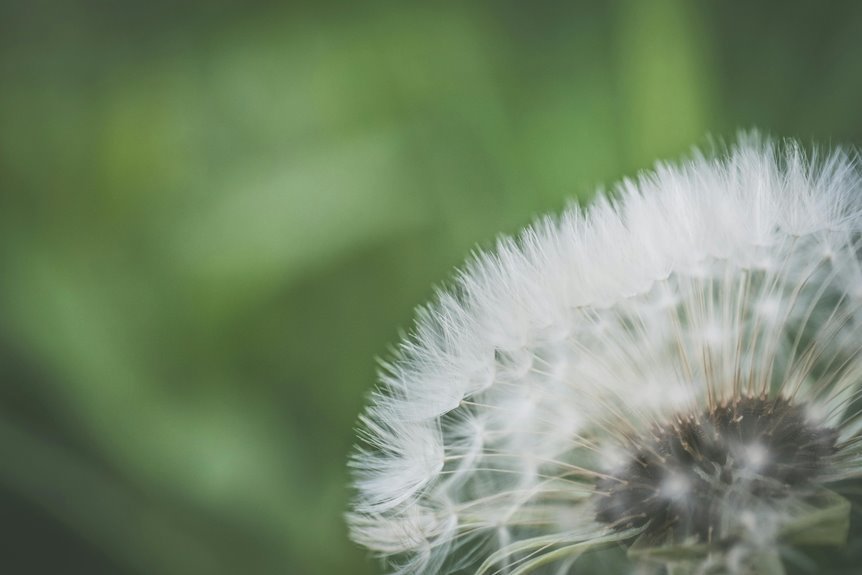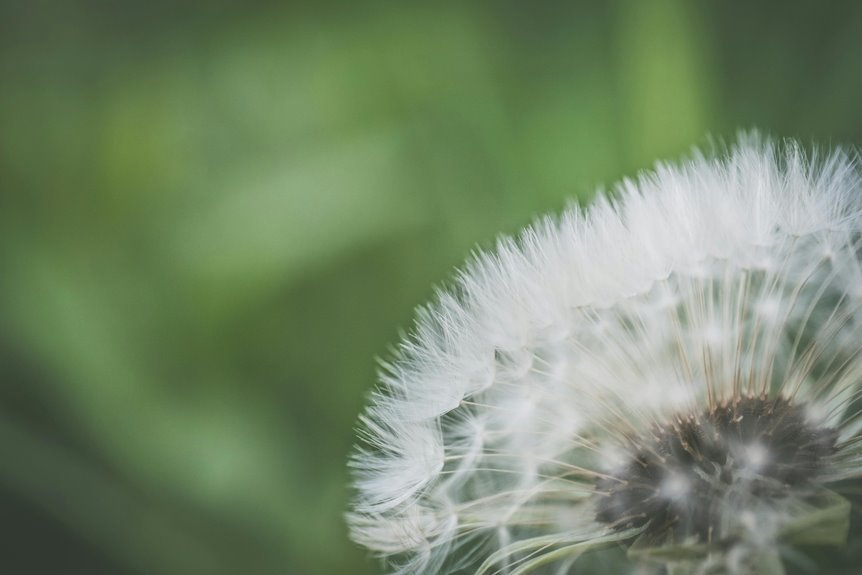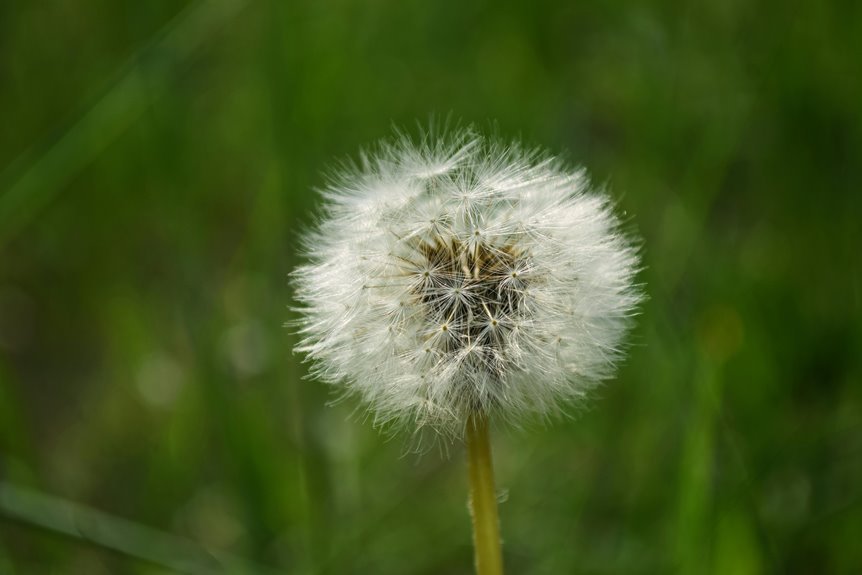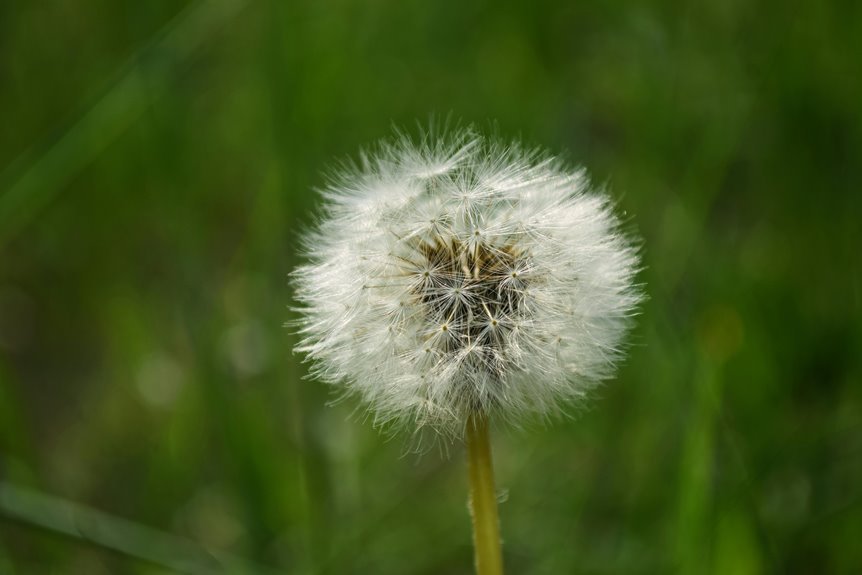
Weed and Feed is a lawn care product that combines weed killer and fertilizer in one formula. It is used to remove unwanted weeds while helping grass grow stronger and healthier. The fertilizer provides nutrients that improve the lawn’s color and thickness. At the same time, the weed killer targets broadleaf weeds such as dandelions and clover. It is usually applied to lawns during the growing season for best results.
This product helps maintain a greener, cleaner, and more attractive lawn. 🌱
A beautiful green lawn is something every homeowner wants. However, maintaining a lawn can be challenging when weeds start taking over the grass. One of the most popular lawn care solutions used by homeowners and gardeners is weed and feed. This lawn treatment is designed to control weeds while simultaneously nourishing the grass with essential nutrients. When used properly, weed and feed products can transform a dull lawn into a lush, healthy landscape.
In this complete guide, we will explore everything about weed and feed including its history, how it works, types, application methods, advantages, disadvantages, recent updates, and expert tips for best results. This article is fully SEO optimized and includes important related keywords such as weed and feed fertilizer, lawn weed control, best weed and feed, when to apply weed and feed, and weed and feed lawn care.
Weed and feed is a lawn care product that combines herbicide and fertilizer in one formula. The herbicide kills unwanted weeds while the fertilizer feeds the grass with nutrients like nitrogen, phosphorus, and potassium.
This dual-purpose product makes lawn care easier because it reduces the need to apply separate treatments for weed control and lawn fertilization.
• Controls broadleaf weeds such as dandelions and clover
• Provides nutrients for grass growth
• Improves lawn density and color
• Prevents weeds from spreading further
By feeding the grass while removing weeds, weed and feed helps lawns grow stronger and healthier.
The concept of weed and feed began in the mid-20th century when lawn care companies started developing combined products to simplify lawn maintenance.
During the 1950s and 1960s, chemical herbicides became widely available. Lawn care companies realized that combining herbicides with fertilizer could help homeowners manage their lawns more efficiently.
Over the years, weed and feed products evolved with improvements in herbicide formulas, safer chemical compounds, and better nutrient blends. Modern weed and feed products now include slow-release fertilizers and targeted weed control for better environmental safety.
| Time Period | Development |
|---|---|
| 1950s | First herbicide lawn treatments introduced |
| 1960s | Combination weed and feed products launched |
| 1980s | Improved selective herbicides developed |
| 2000s | Eco-friendly and slow-release fertilizers introduced |
| 2020s | Organic and safer weed control options emerging |
Today weed and feed remains one of the most widely used lawn care solutions worldwide.
Weed and feed products work through two main mechanisms: weed control and grass fertilization.
The herbicide portion targets broadleaf weeds. These weeds absorb the chemicals through their leaves, causing them to die while leaving grass mostly unaffected.
Common weeds controlled by weed and feed include:
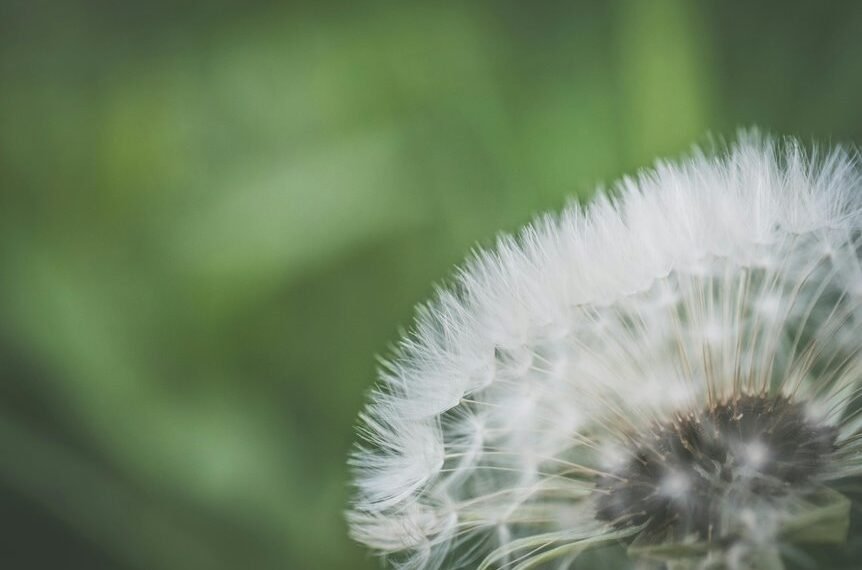
• Dandelions
• Clover
• Chickweed
• Plantain
• Thistle
The fertilizer component feeds grass with essential nutrients. These nutrients promote stronger root systems and thicker lawn coverage.
Important nutrients found in weed and feed include:
• Nitrogen – promotes green growth
• Phosphorus – supports root development
• Potassium – improves plant resistance
A healthier lawn naturally prevents weeds from returning.
There are several types of weed and feed products available depending on the lawn type and application method.
Granular weed and feed is the most common form. It comes in small pellets that are spread using a lawn spreader.
Advantages:
• Easy to apply
• Even lawn coverage
• Long lasting effects
Liquid weed and feed is sprayed directly onto the lawn using a hose attachment or sprayer.
Advantages:
• Faster weed control
• Direct leaf absorption
• Suitable for spot treatment
Organic weed and feed products are becoming more popular among environmentally conscious homeowners.
They use natural ingredients such as:
• Corn gluten meal
• Organic fertilizers
• Natural herbicides
Organic products are safer for pets and the environment but may take longer to show results.
Timing is very important when applying weed and feed.
The best time to apply weed and feed is during the active growing season when weeds are small and grass is actively growing.
| Season | Application Recommendation |
|---|---|
| Early Spring | Best time for first application |
| Late Spring | Controls newly emerged weeds |
| Early Fall | Strengthens grass before winter |
| Summer | Use carefully due to heat stress |
Most lawn experts recommend applying weed and feed twice a year for best results.
Applying weed and feed properly ensures maximum effectiveness and prevents lawn damage.
Following these steps helps ensure weeds absorb the herbicide properly.
Weed and feed products offer several benefits for lawn maintenance.
Using a single product for both fertilization and weed control saves time and effort.
A weed-free lawn looks greener, thicker, and more attractive.
Buying one combined product can be cheaper than purchasing separate fertilizers and herbicides.
Healthy grass grows stronger and naturally prevents weed invasion.
Although weed and feed is effective, it also has some limitations.
Most weed and feed products only target broadleaf weeds, not grassy weeds like crabgrass.
Improper use may lead to chemical runoff that can affect nearby plants or water sources.
Rain or improper watering can reduce the effectiveness of weed and feed treatments.
Many homeowners make mistakes that reduce the effectiveness of weed and feed products.
Applying during extreme heat or cold can reduce effectiveness.
Using too much fertilizer can burn the grass and damage the lawn.
Not mowing or watering the lawn before application can prevent proper weed absorption.
Many people wonder whether they should use weed and feed or regular fertilizer.
| Feature | Weed and Feed | Regular Fertilizer |
|---|---|---|
| Weed Control | Yes | No |
| Lawn Nutrition | Yes | Yes |
| Application Purpose | Dual action | Grass growth only |
| Best For | Weed-infested lawns | Healthy lawns needing nutrients |
If weeds are present, weed and feed is often the better option.
In recent years, lawn care companies have introduced several improvements in weed and feed products.
Many manufacturers now produce eco-friendly herbicides that reduce environmental impact.
Slow-release nutrients provide consistent lawn feeding for several weeks.
Advanced formulas target specific weeds while protecting beneficial plants.
Organic weed and feed products are gaining popularity among homeowners who prefer natural lawn care.
These innovations are making weed and feed safer and more effective.
To get the best results from weed and feed treatments, follow these expert tips.
Avoid cutting grass too short. Taller grass shades the soil and prevents weed growth.
Water deeply but less frequently to encourage deep root growth.
Aeration improves soil oxygen levels and helps nutrients reach grass roots.
Adding grass seed to thin areas prevents weeds from taking over.
Combining these practices with weed and feed treatment ensures a healthy lawn year-round.
Weed and feed kills weeds while providing fertilizer to help grass grow thicker and greener.
Most weeds begin to curl and die within 5 to 14 days after application.
Yes. Slightly damp grass helps granules stick to weeds, improving herbicide absorption.
Pets should stay off the lawn until the product has been watered in or fully dried.
Most experts recommend applying weed and feed once or twice per year depending on lawn conditions.
No. It mainly targets broadleaf weeds and may not control grassy weeds.
Most weed and feed products prevent seed germination, so wait several weeks before seeding.
Weed and feed remains one of the most effective lawn care solutions for homeowners who want a healthy and weed-free lawn. By combining fertilizer and weed control in a single product, it simplifies lawn maintenance while improving grass growth and appearance.
Understanding how weed and feed works, when to apply it, and how to use it correctly can significantly improve lawn quality. With modern advancements in eco-friendly formulas and targeted weed control, weed and feed continues to evolve as a reliable solution for lawn care.
When used responsibly and combined with proper lawn maintenance practices such as mowing, watering, and aeration, weed and feed can help create a lush green lawn that enhances the beauty of any outdoor space.
A well-maintained lawn not only improves property value but also creates a relaxing and welcoming environment for families and visitors. By following the tips and strategies in this guide, homeowners can achieve long-lasting lawn health and keep weeds under control throughout the year.