Is the 912443460 model truly a game changer in hemp farming for sustainable agriculture? By examining its integration of advanced genetics and techniques like crop rotation, you can uncover how these practices not only enhance soil health but also promote biodiversity. This model raises questions about its long-term impact on resource efficiency and local economies. What specific innovations are driving this shift, and how might they redefine eco-friendly farming?
Why Hemp Farming Is Great for Sustainable Agriculture
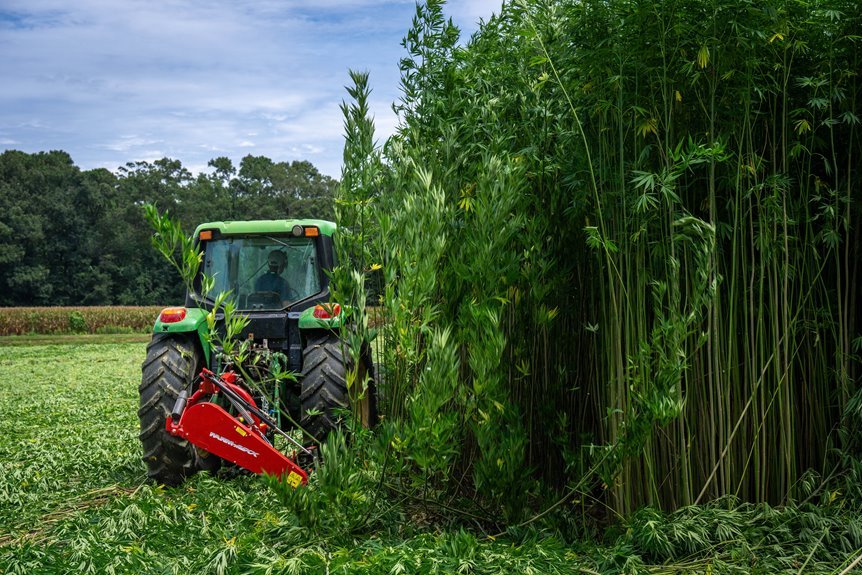
Hemp farming stands out as a pivotal player in sustainable agriculture, especially since it requires fewer resources than traditional crops.
Its benefits include enhanced soil health through crop rotation and biodiversity enhancement, promoting sustainable practices.
Additionally, hemp contributes to carbon sequestration and water conservation, positively impacting the economy by providing sustainable alternatives while fostering environmental resilience and resource efficiency.
The 912443460 Model: Enhancing Eco-Friendly Hemp Farming
While many farming practices struggle to balance productivity and environmental impact, the 912443460 Model offers a promising framework for enhancing eco-friendly hemp cultivation.
By prioritizing advanced hemp genetics and focusing on soil health, you can optimize yields while minimizing ecological footprints.
This model empowers you to leverage sustainable practices that not only protect the environment but also ensure economic viability in hemp farming.
Top Innovative Techniques in Hemp Farming for Sustainability
As the 912443460 Model highlights sustainable practices, innovative techniques are becoming pivotal in enhancing hemp farming’s environmental benefits.
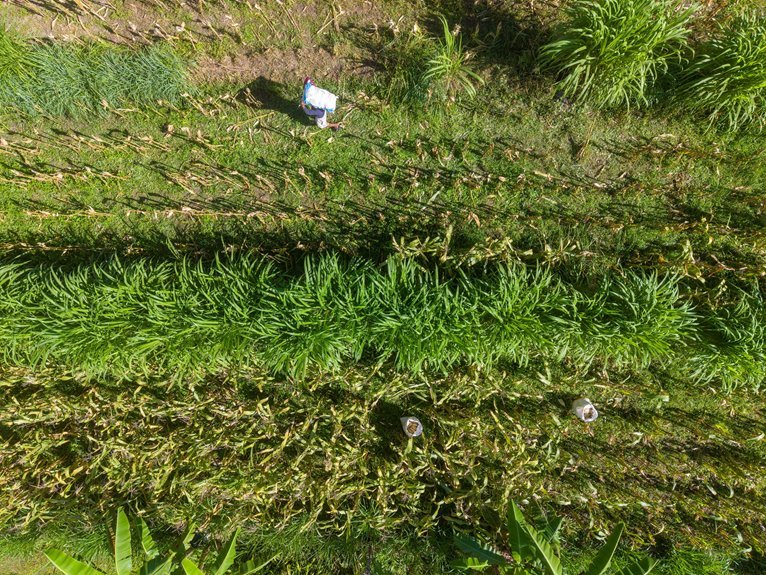
Implementing crop rotation not only enriches soil health but also disrupts pest cycles, minimizing chemical reliance.
Additionally, integrating cover crops boosts biodiversity, further supporting ecosystem resilience.
Emerging Trends in Hemp Farming and Their Environmental Benefits
With the rise of sustainable agriculture, new trends in hemp farming are reshaping how producers approach cultivation and its environmental impact.
Techniques like hemp bioremediation effectively cleanse contaminated soils, while carbon sequestration capabilities enhance atmospheric carbon capture.
Conclusion
In conclusion, embracing the 912443460 model in hemp farming isn’t just a step towards sustainability; it’s like planting the seeds of a green revolution. By integrating advanced practices and techniques, you’re not only boosting soil health and productivity but also fostering biodiversity and ecosystem resilience. As these trends gain momentum, your commitment to eco-friendly farming can lead to profound environmental benefits, ultimately transforming the agricultural landscape for generations to come.