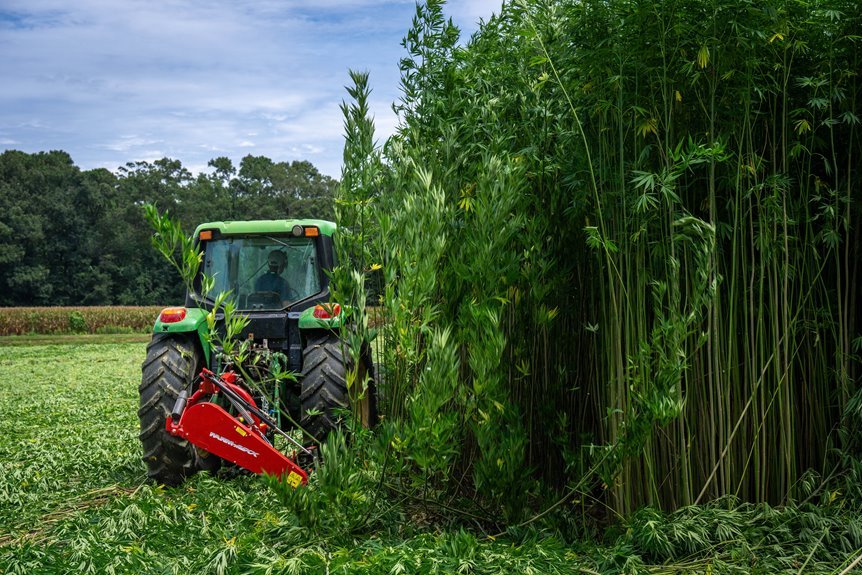
In today’s evolving agricultural landscape, understanding the “912066666 Hemp Agriculture Methods” is crucial for optimizing crop production. You’ll need to explore sustainable practices that enhance soil health and maximize yields. By focusing on innovative techniques and integrated pest management, you can address current market demands effectively. However, the interplay between regulatory standards and emerging farming methods raises important questions about future practices. What strategies will you implement to stay ahead in this competitive field?
Essential Best Practices for Successful Hemp Cultivation
When you embark on hemp cultivation, understanding essential best practices can significantly enhance your success rate.
Prioritize soil health by conducting regular tests to ensure optimal nutrient levels and pH.
Implement integrated pest management strategies to minimize crop damage and promote biodiversity.
These practices not only safeguard your harvest but also empower you to cultivate hemp sustainably and effectively, aligning with your desire for agricultural freedom.
Maximize Your Hemp Yields With Innovative Techniques
To boost your hemp yields, employing innovative techniques is crucial.
Focus on optimizing hemp genetics through selective breeding, which enhances resilience and productivity.
Additionally, implement advanced irrigation strategies that ensure efficient water use, promoting healthy plant development.
Sustainable Hemp Farming Methods
While adopting sustainable hemp farming methods is essential for long-term viability, understanding the interplay between ecological practices and crop productivity is crucial.
You’ll benefit from integrating organic practices that enhance soil health and biodiversity.
Effective pest management strategies, like crop rotation and natural predators, can minimize chemical use, supporting a resilient ecosystem.
This approach not only ensures sustainability but also maximizes your crop’s potential.
Hemp Regulations and Market Trends?
How do hemp regulations and market trends shape the agricultural landscape?
Understanding hemp legislation is crucial for navigating today’s complex market dynamics. Compliance with evolving laws ensures you remain competitive, while recognizing market trends helps you identify opportunities and risks.
Conclusion
Incorporating these hemp agriculture methods can transform your cultivation practices into a powerhouse of sustainable productivity. By leveraging soil health, innovative techniques, and integrated pest management, you’re not just growing plants—you’re nurturing a thriving ecosystem that bursts with potential. As regulations evolve and market demands shift, staying informed and adaptable is crucial. Embrace these strategies, and watch your hemp yields soar like a rocket, positioning you at the forefront of modern agricultural excellence.