The modern academic landscape has shifted significantly from the traditional “library and lecture” model to a dynamic, tech-integrated ecosystem. For undergraduate students today, the pressure isn’t just about understanding the subject matter; it’s about navigating a high-speed digital world where information is abundant but time is scarce. This shift has led to the rise of the “Digital Writing Lab,” a concept that goes beyond simple word processors to include comprehensive online support systems that bridge the gap between classroom theory and professional-grade output.
As universities raise the bar for research quality and originality, students are increasingly looking for ways to streamline their drafting process. The transition from high school to university writing is often a shock, requiring a level of structural complexity and citation accuracy that many feel unprepared for. In this environment, a reliable assignment writing service has become a staple for those looking to understand the nuances of academic formatting and argument construction. By using these digital resources as a blueprint, students can focus on mastering their core subjects without getting bogged down by the mechanics of academic prose.
The Evolution of the Student Workflow
In the past, a student struggling with an essay had two choices: visit a campus tutor during limited hours or struggle through it alone. Today, the “Digital Writing Lab” is open 24/7. This evolution is driven by the need for instant feedback and the integration of sophisticated tools like grammar checkers, plagiarism detectors, and cloud-based collaboration platforms.
Students are no longer writing in a vacuum. They are managing multiple tabs, digital libraries, and AI-assisted research tools. However, the human element remains irreplaceable. Digital labs provide that missing link—professional insight that software simply cannot replicate. This hybrid approach allows students to maintain their unique voice while ensuring their work meets the rigorous standards of global higher education.
Breaking Down the Digital Writing Ecosystem
To understand why this trend is growing, we need to look at the specific components that make these labs so attractive to the modern undergraduate.
| Feature | Traditional Writing | Digital Writing Lab |
| Availability | Limited campus hours | 24/7 Global access |
| Speed | Slow manual drafting | Rapid outlining and editing |
| Accuracy | Manual proofreading | Automated and expert checks |
| Resource Depth | Limited library books | Global databases and expert pools |
Why “Information Gain” Matters in 2026
Google’s search algorithms have evolved to prioritize content that offers “Information Gain”—the idea that an article should provide new, valuable insights rather than just repeating what is already online. For a student, this means looking for resources that offer more than just a summary. They need specific case studies, unique perspectives, and practical templates that they can adapt to their own needs.
The digital writing lab facilitates this by connecting students with diverse academic perspectives. Instead of relying on a single professor’s feedback, a student can see how a topic is handled by experts across the globe. This cross-pollination of ideas is what helps an undergraduate transition from a “student” mindset to a “scholar” mindset.
Navigating Complex Research Requirements
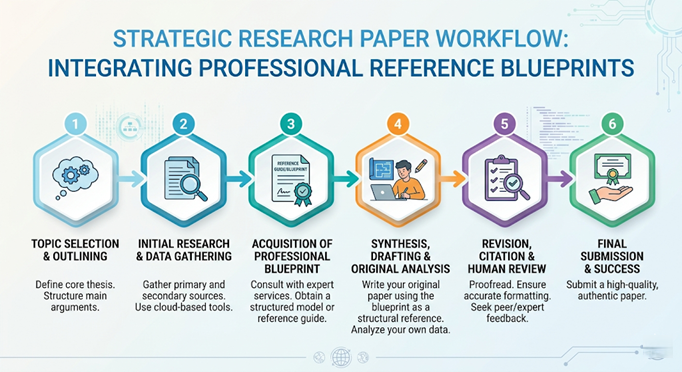
One of the biggest hurdles in undergraduate education is the term paper. Unlike short essays, these require months of sustained research, a coherent thesis, and a massive volume of cited material. When deadlines for multiple modules clash, the mental load can become overwhelming. This is where many choose to buy term paper samples from trusted providers like MyAssignmentHelp to use as a structural guide. Having a professionally crafted reference allows a student to see how complex data should be organized and how to maintain a consistent academic tone over twenty or thirty pages.
This practice isn’t about skipping the work; it’s about strategic resource management. In the professional world, managers use templates and consultants to achieve the best results. Modern students are simply applying those same professional strategies to their academic careers.
See also: Weed and Feed Tips 647-475-0263 for Tracking
The Psychological Impact of Digital Support
Beyond the grades, there is a significant mental health aspect to the rise of digital writing labs. Academic burnout is at an all-time high. The ability to outsource the “scaffolding” of an assignment—the research, the bibliography, and the initial outline—allows students to focus on the creative and analytical aspects of their degree.
When a student feels supported, their anxiety levels drop, leading to better performance in exams and class participation. The digital lab acts as a safety net, ensuring that one difficult week doesn’t derail an entire semester. It provides a sense of control in an increasingly demanding educational environment.
Bridging the Global Education Gap
For international students or those studying in their second language, digital writing labs are a literal lifeline. The “Global Tone” required by top-tier universities can be difficult to master. Digital platforms provide the linguistic polishing necessary to ensure that a student’s brilliant ideas aren’t lost due to a misplaced comma or a misunderstood idiom.
By standardizing the quality of academic output, these labs are democratizing education. A student in a remote area with a stable internet connection can now access the same level of editorial support as someone attending an Ivy League school. This level playing field is one of the most positive outcomes of the digital education revolution.
Ethical Use of Digital Labs
As these tools become more common, the conversation around academic integrity has also matured. The best digital writing labs emphasize “assisted learning.” They provide the tools and the expert examples, but the final synthesis of ideas remains the student’s responsibility.
Educators are beginning to realize that banning these tools is counterproductive. Instead, the focus is shifting toward teaching students how to use them responsibly. A well-used digital lab is a powerful educational supplement that prepares students for a career where they will be expected to use every technological advantage available to them.
Final Thoughts: The Future of Academic Success
The trend of turning to digital writing labs is not a fad; it is a permanent shift in how humans learn and communicate. As we move further into 2026 and beyond, the integration of human expertise and digital efficiency will only tighten. Students who embrace these tools early are often the ones who graduate with not just a degree, but a sophisticated understanding of how to manage complex projects in a high-pressure environment.
By balancing personal effort with professional digital resources, undergraduates can ensure their work is not only submission-ready but truly reflective of their potential.
Frequently Asked Questions (FAQ)
1. What exactly is a Digital Writing Lab?
Ans: It is a combination of online tools (like AI editors and citation generators) and human expert services that help students plan, research, and polish their academic work.
2. Is using an online writing service considered cheating?
Ans: It depends on how you use it. Using a service for research, outlining, or as a reference “blueprint” is a common study aid. Always ensure you are following your specific university’s guidelines regarding external help.
3. How do these labs help with my grades?
Ans: They help by ensuring your work is structurally sound, free of grammatical errors, and properly cited. This allows your actual arguments and knowledge to shine through without being marked down for technical mistakes.
4. Can I use these tools for any subject?
Ans: Yes. Most digital writing labs have experts covering everything from Nursing and Law to Engineering and Social Sciences, ensuring the advice you get is subject-specific.
5. Why is a “human-centered” lab better than just using AI?
Ans: AI often hallucinates facts or uses repetitive language. A human-centered digital lab provides nuanced understanding, emotional intelligence, and verified facts that AI currently cannot match.
About The Author
Mark Hales here. I am an academic consultant and lead content strategist at MyAssignmentHelp, where I focus on bridging the gap between complex research and student-friendly learning resources. With over a decade of experience in the EdTech sector, I specialize in developing structured reference materials that help undergraduates navigate the rigors of higher education.