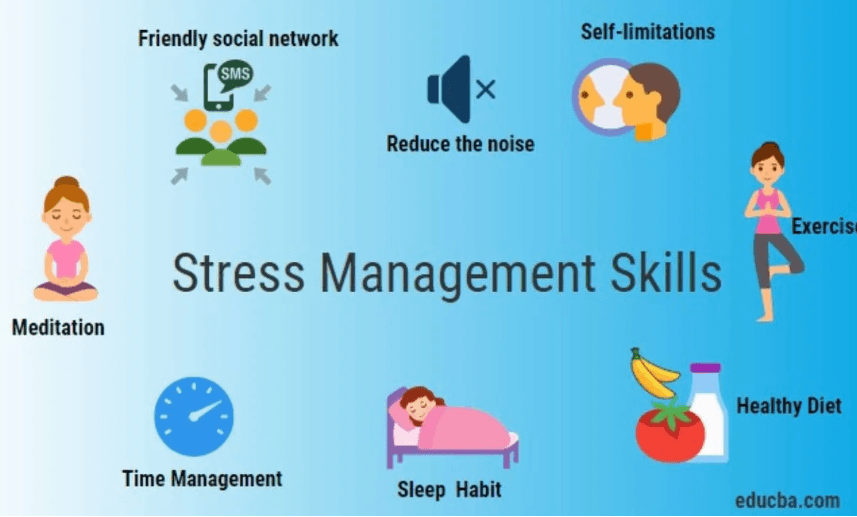
Modern life moves at a very fast pace. Many people feel constant pressure from work, family, and digital media. Stress can quickly build up and affect physical health. To live a balanced life, individuals must discover healthy coping mechanisms that provide lasting stability.
Rise Recovery Atlanta provides expert support for those facing mental health challenges. Stress management is a vital part of emotional wellness. When stress becomes chronic, it can lead to burnout or substance use. Learning to identify and manage daily triggers helps build a stronger foundation for long-term health.
Daily stress triggers are events or situations that cause a feeling of tension. These triggers vary for every person. Some triggers come from the outside world. Other triggers come from internal thoughts and beliefs. Recognizing these patterns is the first step toward positive change and improved mental resilience.
Identifying Your Personal Stress Triggers
External triggers often come from the environment. The workplace is a common source of high pressure. Tight deadlines and heavy workloads create tension. Financial pressures like budgeting or debt also add significant weight to daily life. These factors can feel overwhelming if left unaddressed.
Digital overload is a modern stressor. Constant notifications and social media updates keep the brain in a state of high alert. Environmental factors like loud noise, physical clutter, and heavy traffic also drain energy. Identifying these external sources allows for better planning and preparation.
Internal triggers are often harder to spot. Negative self-talk creates a cycle of anxiety. A harsh inner critic can lower self-esteem. Perfectionism also drives stress by setting unrealistic expectations. Many individuals struggle with a lack of boundaries, leading to unnecessary social and professional burdens.
The Stress Journaling Method
Tracking reactions is an effective way to find patterns. A stress journal records when a person feels anxious or frustrated. It notes what happened right before the feeling started. This practice makes hidden triggers more visible. It turns vague feelings into actionable data for recovery.
Immediate Coping Mechanisms for On-the-Spot Relief
Quick relief is necessary when stress hits suddenly. Controlled breathing techniques are among the best stress management techniques available. These methods regulate the nervous system and calm the heart rate. They can be performed anywhere without special equipment or extensive training.
The 4-7-8 method is a popular breathing tool. One inhales for four seconds, holds for seven, and exhales for eight. This pattern signals the brain to relax. Box breathing is another tool used by high-performance professionals. It involves inhaling, holding, exhaling, and holding for equal counts.
Grounding Exercises for Awareness
Grounding helps pull the mind away from anxious thoughts. The 5-4-3-2-1 technique engages the five senses. A person identifies five things they see and four they can touch. They then find three sounds, two smells, and one thing they can taste. This shifts focus to the present moment.
Physical reset actions provide quick energy shifts. Brief stretching or desk yoga releases physical tension held in the muscles. Stepping away from a screen for a five-minute walk changes the environment. These small movements help lower cortisol levels and improve mental clarity during busy days.
Cognitive Strategies to Reframing Stress
Mental shifts change how a person experiences a trigger. Cognitive reframing is a method that turns a threat into a challenge. Instead of fearing a difficult task, one views it as an opportunity to grow. This perspective builds confidence and reduces the feeling of helplessness.
Radical acceptance involves acknowledging reality without judgment. Some situations cannot be changed. Accepting this fact prevents the stress of fighting against the impossible. It allows energy to be spent on things within one’s control. This is a core part of building resilience in daily life.
Time Management as Stress Relief
Disorganization often leads to high stress. The Eisenhower Matrix helps by sorting tasks into categories. Tasks are labeled as urgent, important, or neither. Focusing on what truly matters prevents the feeling of being buried by small chores. It provides a clear roadmap for the day.
The Two-Minute Rule is another simple strategy. If a task takes less than two minutes, it should be done immediately. This prevents small items from piling up and causing future anxiety. Setting healthy boundaries is also a vital skill. Learning to say no protects personal time and energy levels.
Lifestyle Habits for Long-Term Resilience
Positive coping skills work best when supported by a healthy lifestyle. Physical activity is a powerful tool for emotional regulation. Exercise flushes out stress hormones and increases endorphins. A simple daily walk can significantly improve a person’s baseline mood and energy.
Nutrition also plays a role in how the body handles pressure. High amounts of caffeine and sugar can increase feelings of anxiety. Proper hydration and balanced meals keep energy levels stable. When the body is well-nourished, the mind is better equipped to handle emotional challenges.
The Importance of Sleep Hygiene
Quality rest is essential for emotional regulation tools to work. Sleep deprivation makes it harder to manage even small stressors. Establishing a consistent sleep schedule helps the brain recover. A cool, dark room and a screen-free wind-down period improve sleep quality and daily focus.
Mindfulness practices involve staying present without judgment. A daily meditation practice lowers the body’s overall stress response. It trains the brain to observe thoughts rather than reacting to them impulsively. Over time, this creates a calmer and more centered approach to life’s difficulties.
Social and Creative Outlets
Connection with others is a key part of mental health tips. Talking with trusted friends or family members provides emotional support. This process of co-regulation helps calm the nervous system. Sharing burdens makes them feel lighter and provides new perspectives on difficult problems.
Creative expression offers a healthy escape from daily pressure. Hobbies like painting, writing, or playing music create a flow state. This state of deep focus allows the mind to rest from worries. Engaging in creative tasks boosts self-esteem and provides a sense of personal accomplishment.
Digital Detox Rituals
Limiting technology use is a vital form of self-care strategies. Designating tech-free zones, such as the dining table or bedroom, reduces mental clutter. Turning off notifications during specific hours prevents constant interruptions. These rituals help restore focus and provide much-needed mental quiet.
Knowing When to Seek Professional Help
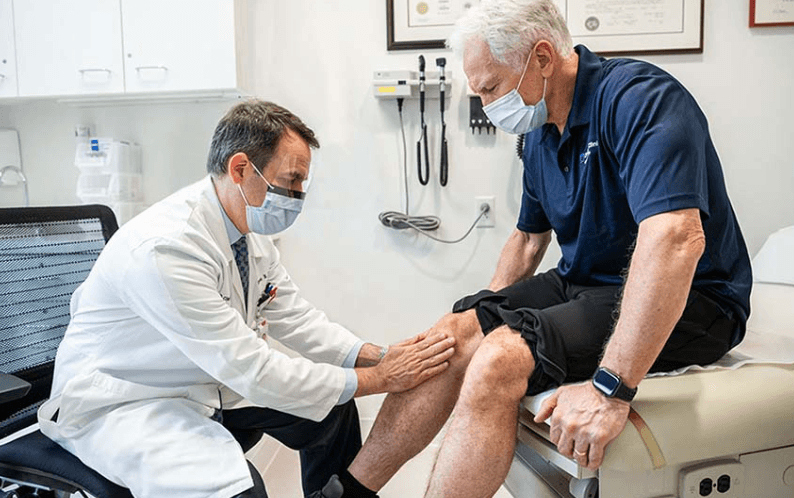
Sometimes self-help strategies are not enough. Chronic stress can evolve into clinical anxiety or burnout. It is important to recognize signs like persistent insomnia, extreme irritability, or a sense of hopelessness. Professional support offers specialized tools for these deeper challenges.
Cognitive Behavioral Therapy is a proven method for managing stress. It helps individuals identify and change harmful thought patterns. Rise Recovery Atlanta offers integrated treatment for those dealing with stress and co-occurring issues. Their compassionate care supports individuals in finding a path to sustainable wellness.
See also: Smart Lookup 647 475 0263 Using Weed and Feed
Conclusion
Managing daily stress triggers is an ongoing process of growth. It requires identifying personal triggers and taking immediate action with breathing or grounding. Long-term lifestyle changes like exercise and sleep hygiene further strengthen the mind. Every small step helps in the journey to discover healthy coping mechanisms.
Rise Recovery Atlanta encourages individuals to focus on progress over perfection. Emotional health is a priority that deserves time and attention. Starting a stress journal or practicing a new breathing technique this week can make a significant difference. Reach out for professional support to build a foundation for a balanced and stable life.